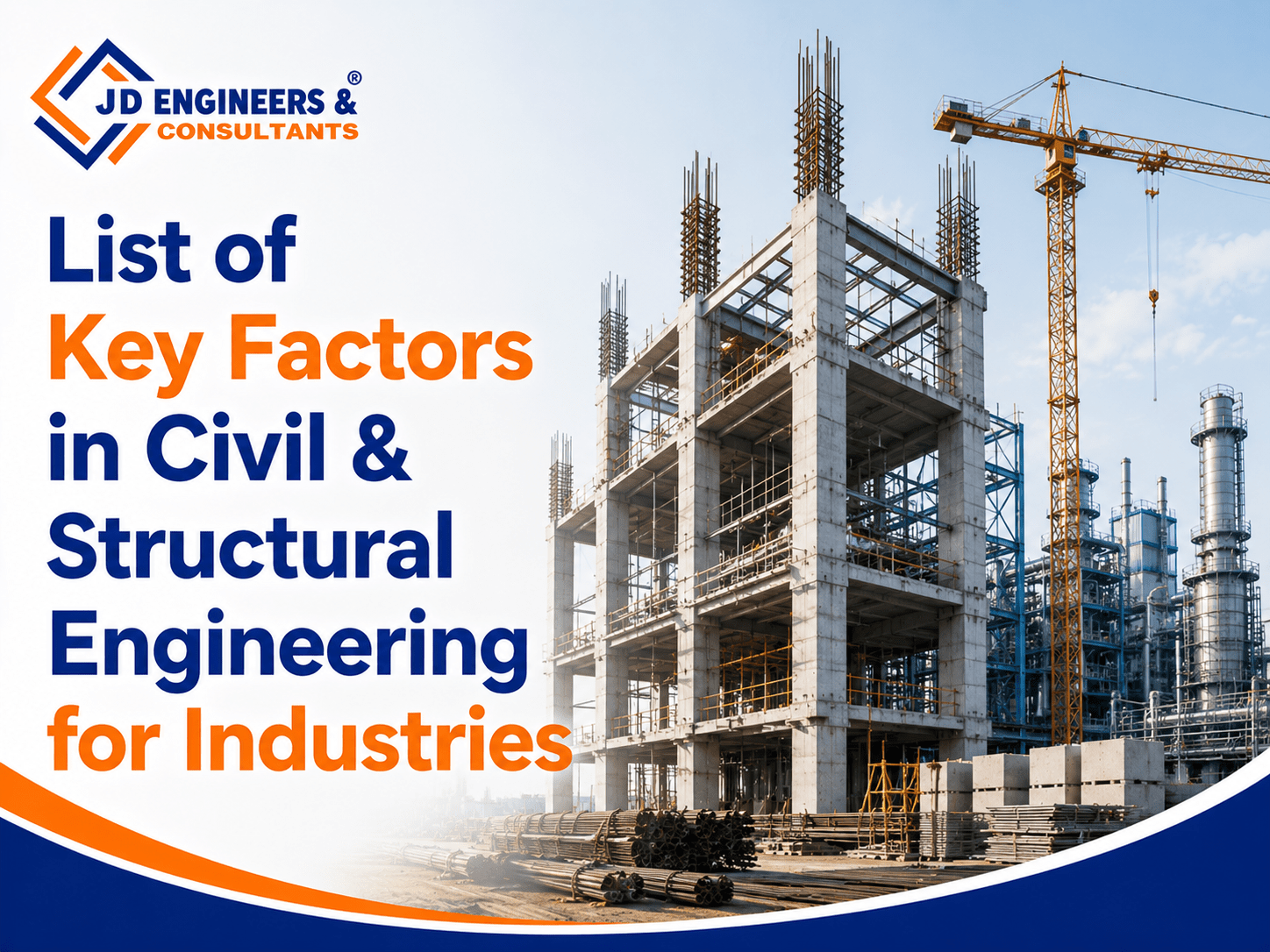

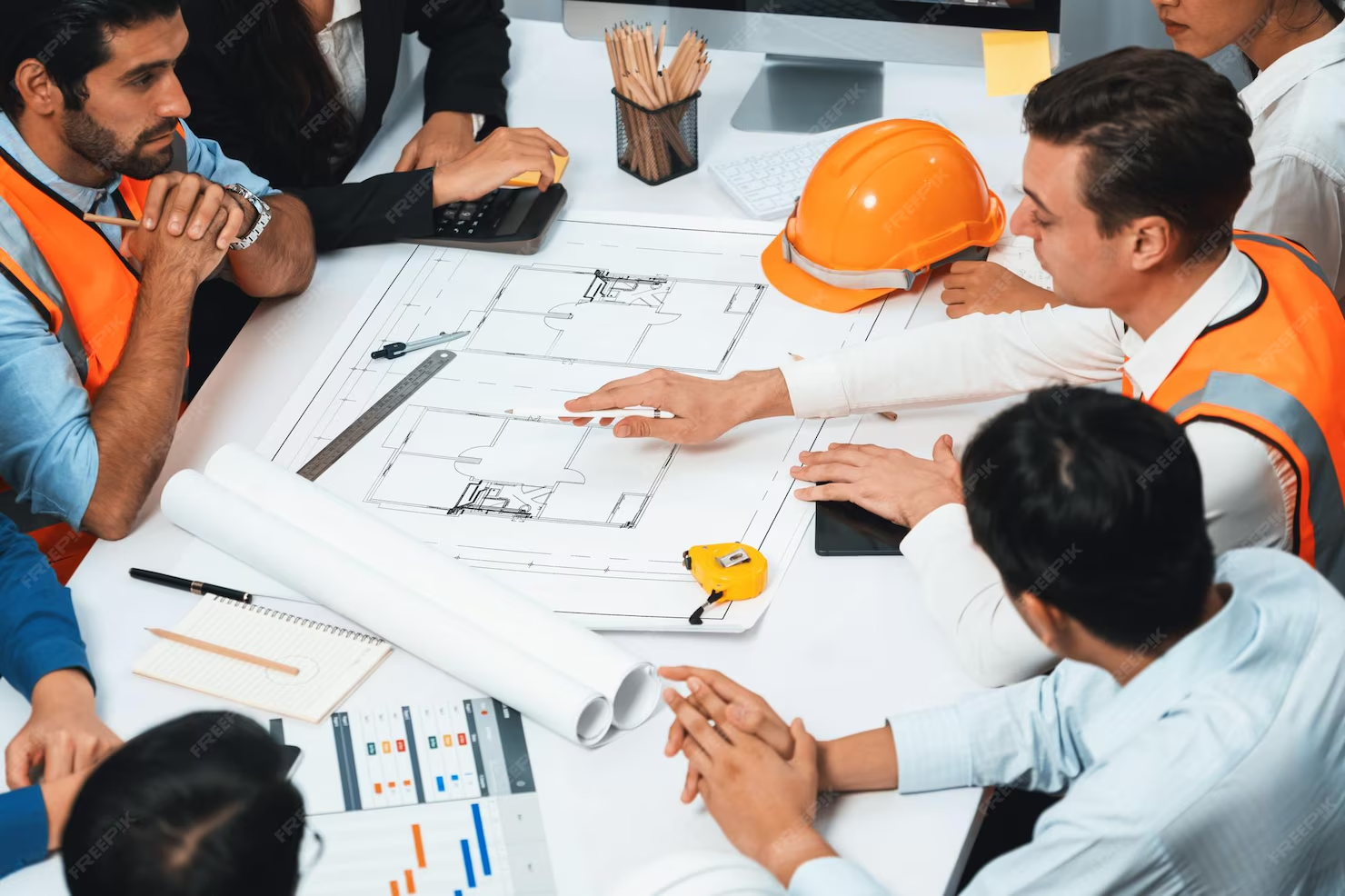
Have you ever wondered who ensures that buildings stand strong, bridges endure decades, or roads withstand every season? That’s where civil engineering services come in. Civil and structural engineers are the unsung heroes behind every safe, functional, and durable structure we see around us.
In today’s fast-paced world, finding a trusted Engineering Solutions Provider is essential for project success — whether it’s a residential development, commercial complex, or industrial facility. This article explores what civil engineering services are, the key areas they cover, and how expert civil and structural engineering consultants help transform blueprints into lasting infrastructure.
By the end of this post, you’ll understand:
- The core components of civil and structural engineering design
- How professional engineering consulting services add value to your projects
- Why selecting the right civil structural engineering companies is crucial for safety and longevity
What Are Civil Engineering Services?
Civil engineering services encompass the planning, design, construction, and maintenance of infrastructure projects — from highways and airports to water systems and skyscrapers. Civil engineers use scientific principles and modern tools to ensure that structures are safe, sustainable, and built to last.
These services play a crucial role in shaping our built environment, covering everything from structural engineering in civil engineering to stormwater management, foundation design, and urban infrastructure.
In short, civil engineers turn concepts into concrete reality — literally.
Key Areas of Civil and Structural Engineering Services
A top-tier Engineering Solutions Provider offers a range of integrated services that ensure projects are safe, efficient, and compliant with global standards. Let’s break them down:
1. Structural Design of RCC, Steel, and Composite Structures
At the heart of structural civil engineering companies lies design excellence. Engineers use cutting-edge software and international design codes to plan Reinforced Cement Concrete (RCC), steel, and composite structures that meet the highest standards of safety and durability.
The goal is to create structures that not only look good but also perform reliably under loads, weather, and time.
Key elements include:
- Load-bearing analysis
- Structural modeling and simulation
- Reinforcement detailing
- Design validation as per IS, ACI, and Euro codes
A strong structure begins with a strong design — and that’s the foundation of every successful engineering project.
2. Foundation Design Based on Geotechnical Investigations
Every building’s strength depends on what lies beneath it — the foundation. Using geotechnical investigations, engineers analyze soil composition, groundwater levels, and load capacity to design safe and efficient foundations.
Foundation design services cover:
- Shallow and deep foundations
- Pile and raft foundations
- Retaining walls and basement structures
Whether it’s a high-rise or an industrial facility, civil structural engineering companies ensure stability from the ground up.
3. Design of Load-Bearing Structures for Heavy Equipment and Utilities
Industrial and utility projects demand specialized expertise in load-bearing design. Engineers ensure that platforms, machinery bases, and equipment foundations can handle heavy static and dynamic loads without risk of deformation or failure.
Applications include:
- Refineries and process plants
- Power generation units
- Manufacturing and logistics facilities
By combining advanced analysis techniques with practical field insights, civil and structural engineering consultants guarantee safety and functionality in every structure.
4. Seismic and Wind Load Analysis as Per Codes
Natural forces like earthquakes and wind pose major challenges to structural integrity. Through seismic and wind load analysis, engineers assess how structures respond to these stresses and design reinforcements to mitigate risks.
This includes:
- Dynamic response spectrum and time-history analysis
- Wind tunnel studies and computational fluid dynamics (CFD) modeling
- Design compliance with seismic zones and local codes
This aspect of civil & structural engineering design ensures safety even under unpredictable natural conditions.
5. Construction Detailing, BOQ Preparation, and Technical Specifications
Precision in construction detailing directly affects project quality. Engineers prepare Bills of Quantities (BOQ), technical drawings, and specifications to streamline construction workflows and cost estimation.
Deliverables include:
- Structural drawings with bar bending schedules
- BOQ with detailed quantity take-offs
- Technical notes and compliance documents
This meticulous approach ensures clear communication between designers, contractors, and project managers — minimizing errors and saving costs.
6. Stormwater Drainage, Roads, Boundary Walls, and Internal Infrastructure
Infrastructure goes beyond buildings — it’s about connectivity, safety, and sustainability. Civil engineers design comprehensive internal infrastructure systems, including:
- Roads and pavements
- Drainage and sewer networks
- Boundary walls and retaining systems
- Water supply and irrigation systems
These systems ensure long-term operational efficiency and environmental compliance.
7. Coordination with MEP, Process, and Architectural Teams
Modern projects demand seamless integration between multiple disciplines. Skilled engineering consulting services ensure smooth coordination between Mechanical, Electrical, and Plumbing (MEP) teams, architects, and process engineers.
This holistic approach leads to:
- Reduced design clashes
- Faster approvals and execution
- Optimized project timelines
- Enhanced functionality and aesthetic harmony
Such synergy is what defines world-class civil and structural engineering consultants.
Why Partner With a Professional Civil Structural Engineering Company?
Choosing the right Engineering Solutions Provider can make the difference between project success and costly rework. Here’s why:
1. Expertise and Experience
Professionals bring years of hands-on experience in structural and civil engineering design, ensuring that every project meets technical and safety standards.
2. Cost Efficiency
Optimized designs reduce material usage, construction time, and maintenance costs — delivering long-term value.
3. Safety and Compliance
Registered civil structural engineering companies adhere to local and international codes, ensuring compliance with safety and environmental regulations.
4. Advanced Tools and Technology
From BIM modeling to Finite Element Analysis (FEA), modern tools enable precise simulation, clash detection, and visualization before construction even begins.
5. Quality Assurance
Reputable firms follow strict QA/QC protocols, ensuring that every design and drawing aligns with performance expectations.
Benefits of Professional Civil and Structural Design
Partnering with experienced civil and structural engineering consultants ensures:
Structural safety and durability
Efficient material utilization
Time-bound project delivery
Reduced rework and cost overruns
Compliance with seismic and environmental codes
Sustainable, future-ready infrastructure
In essence, a well-engineered structure is not just built — it’s crafted for strength, performance, and longevity.
FAQs Related To civil and structural engineering
1. What is the difference between civil and structural engineering?
Civil engineering is a broad field covering infrastructure design and development, while structural engineering in civil engineering specifically focuses on the strength and stability of structures.
2. What tools do civil engineers use for design?
They use software like STAAD.Pro, ETABS, AutoCAD, and Revit to create detailed civil & structural engineering design models.
3. Why is foundation design important?
The foundation supports the entire structure. Proper foundation design prevents settlement, cracks, and failures.
4. How do I choose the right engineering consulting company?
Look for experience, portfolio diversity, client testimonials, and adherence to international standards.
5. Are civil engineering services only for large projects?
No — they cater to all scales, from small residential designs to mega industrial and infrastructure projects.
Conclusion
Civil engineering is more than just calculations and blueprints — it’s the backbone of modern civilization. From concept to completion, professional engineering consulting services ensure every structure stands the test of time.
At JD Engineers & Consultants, we take pride in being a leading Engineering Solutions Provider offering end-to-end civil and structural engineering design services. Our expertise spans from RCC and steel design to foundation analysis, infrastructure development, and multidisciplinary coordination.
Our designs are engineered for strength, safety, and longevity, using modern tools and global best practices. Whether you’re planning a commercial building, industrial facility, or infrastructure project — we deliver reliable, efficient, and sustainable solutions.Ready to build something extraordinary?
Contact Us Today to discuss your project and discover how our expert civil and structural engineering team can turn your vision into reality.