
Fire is one of the most devastating threats to any building — residential, commercial, or industrial. In seconds, it can destroy years of hard work, threaten human lives, and cause irreversible financial loss. Yet, most fire incidents are preventable with the right planning and assessment.
This is where a Fire Risk Assessment becomes crucial. It’s the foundation of every effective fire protection system and a mandatory part of responsible infrastructure management. In this post, we’ll explore what a fire risk assessment is, why it’s essential, how professional fire fighting consultants carry it out, and how it connects with advanced systems like automatic sprinkler systems, fire alarm systems, and more.
By the end, you’ll understand how to build a safer, more compliant, and better-protected environment — whether for your home, office, or industrial plant.
What is a Fire Risk Assessment?
A fire risk assessment is a systematic process used to evaluate the potential risks of fire in a building or facility. It identifies possible hazards, determines who might be at risk, evaluates current fire protection systems, and recommends necessary improvements to minimize those risks.
In simpler terms, it’s like a safety audit that ensures your property is prepared for the unexpected.
Why It Matters
- Legal Compliance: Many regions, including India, require property owners to conduct fire safety assessments regularly to meet building safety standards.
- Life Safety: It ensures escape routes, alarms, and firefighting systems are in place and functional.
- Asset Protection: Proper fire protection engineering reduces the chance of structural damage and business downtime.
- Insurance Benefits: Insurers often demand proof of risk assessment before approving or renewing policies.
In short, a fire risk assessment isn’t just about ticking boxes — it’s about creating a culture of safety.
The Fire Risk Assessment Process: Step by Step
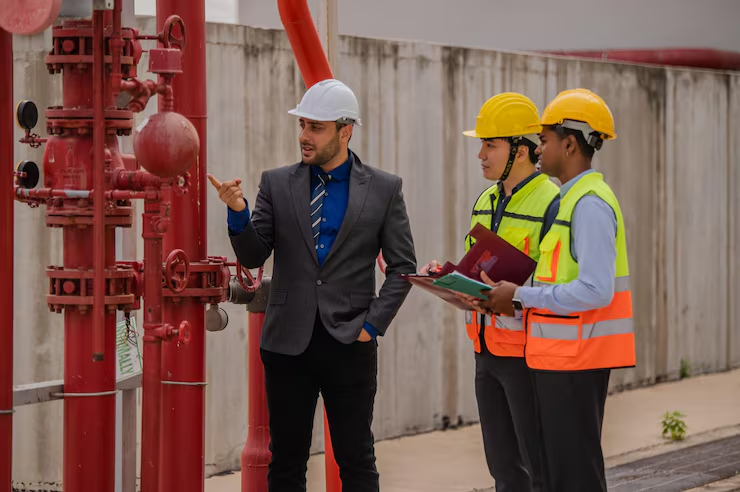
Professional fire fighting consultants follow a structured process to conduct a fire risk assessment. Here’s how it typically works:
1. Identify Fire Hazards
Consultants inspect your premises for potential ignition sources such as faulty electrical wiring, flammable materials, kitchen equipment, or heating systems.
2. Determine People at Risk
They analyze which areas or groups of people are most vulnerable — for instance, workers in a factory’s welding zone or residents in high-rise apartments.
3. Evaluate Existing Fire Control Measures
Every fire protection system, including fire alarm systems, automatic sprinkler systems, and extinguishers, is reviewed to ensure they’re up to standard.
4. Assess and Record Findings
The findings are documented in detail, highlighting deficiencies and suggesting improvements. This may include fire sprinkler system installation or upgrading outdated alarms.
5. Create an Emergency Plan
A clear evacuation and emergency response plan is developed. Consultants also provide training for employees or residents to handle emergencies effectively.
6. Regular Review and Maintenance
Fire risk assessments aren’t one-time activities. They should be reviewed annually or whenever major structural or operational changes occur.
How Fire Protection Engineering Enhances Building Safety
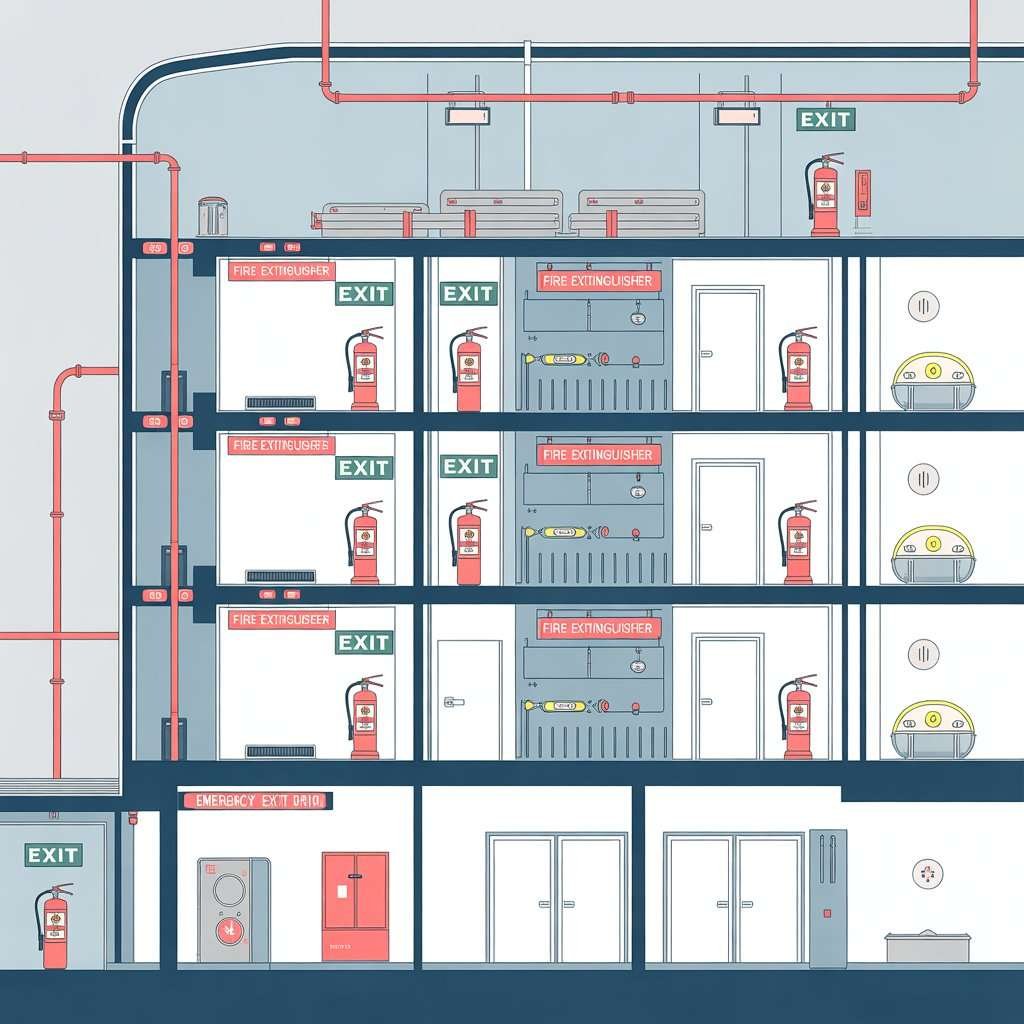
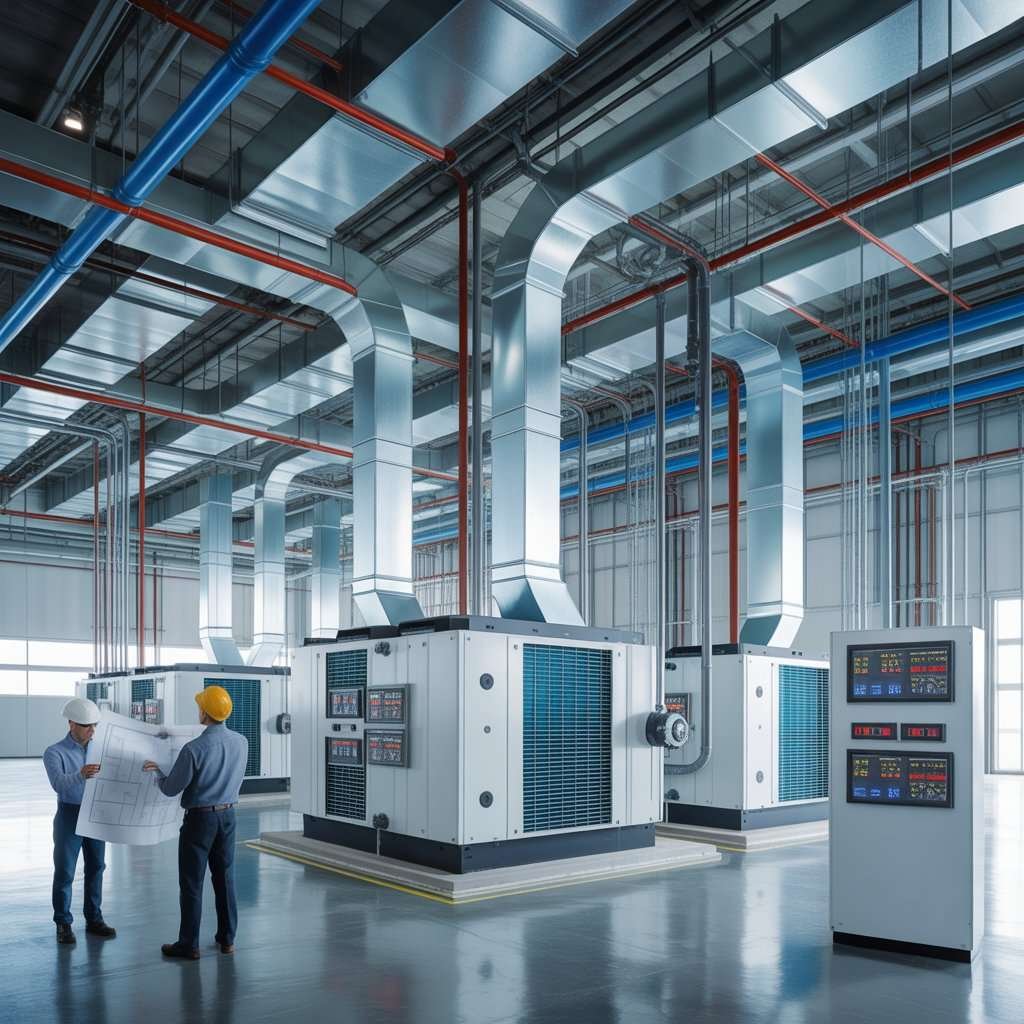
Fire protection engineering combines science, technology, and design to prevent, control, and mitigate fire-related risks. It focuses on developing customized safety systems for different types of buildings — from hospitals to manufacturing units.
Key Components of Fire Protection Engineering
- Active Systems: Include fire alarm systems, automatic sprinkler systems, and extinguishers that activate during an emergency.
- Passive Systems: Fire-resistant walls, doors, and structural designs that contain fire spread.
- Detection Systems: Smoke detectors, heat sensors, and emergency lighting to ensure quick response.
These systems work together to reduce damage, delay fire spread, and give occupants time to evacuate safely.
Types of Fire Protection Systems
Different buildings require different safety setups. Here’s a quick breakdown of the major fire control protection systems:
1. Fire Alarm Systems
Provided by specialized fire alarm companies, these systems detect smoke or heat and instantly alert occupants. Modern systems can connect to central monitoring stations for faster response.
2. Automatic Sprinkler Systems
These are automatic water-based systems that activate when a fire is detected. They’re reliable, cost-effective, and can suppress most small fires before they spread.
3. Residential Fire Sprinkler Systems
Tailored for homes and apartments, these systems ensure personal safety and property protection. A residential fire sprinkler system is especially vital in high-rise apartments where evacuation can take longer.
4. Fire Extinguishing Systems
Portable fire extinguishers and fixed suppression systems provide immediate response during the early stages of a fire.
5. Fire Hydrant & Pump Systems
Essential for large complexes, hydrant systems supply water for firefighting operations, often supported by dedicated pump rooms.
Benefits of Hiring Professional Fire Fighting Consultants
Fire safety isn’t a DIY task — it demands expertise, precision, and adherence to standards. Working with professional fire fighting consultants ensures:
- Customized Solutions: Every site has unique risks. Consultants design tailored fire protection systems that match your building type.
- Regulatory Compliance: They ensure your premises meet local fire safety codes and building regulations.
- Efficient Design: Professionals integrate fire sprinkler system installation with other safety components to minimize cost and maximize efficiency.
- Regular Maintenance & Testing: They schedule inspections, testing, and system updates to maintain readiness.
Hiring experts doesn’t just protect your property — it enhances peace of mind.
Common Mistakes to Avoid During Fire Risk Assessment
Even with the best intentions, many organizations make avoidable errors:
- Ignoring regular maintenance of fire alarm systems.
- Failing to train employees on emergency procedures.
- Overlooking small ignition sources like overloaded sockets.
- Installing outdated or incompatible fire control protection systems.
Avoiding these mistakes can make a life-saving difference.
How Often Should You Conduct a Fire Risk Assessment?
Ideally, fire risk assessments should be carried out once a year, or sooner if:
- The building layout changes.
- New equipment or materials are introduced.
- Fire incidents or near misses occur.
- Staffing or occupancy levels change.
Regular reviews ensure your fire protection engineering systems remain compliant and effective.
Practical Fire Safety Tips for Every Property Owner
- Install automatic sprinkler systems in both commercial and residential spaces.
- Schedule periodic maintenance with certified fire alarm companies.
- Keep fire exits clear and visible at all times.
- Train occupants on using extinguishers and evacuation routes.
- Partner with professional fire fighting consultants for system audits and upgrades.
FAQs About Fire Risk Assessment
1. What does a fire risk assessment include?
It covers identifying hazards, evaluating risks, inspecting fire protection systems, recording findings, and suggesting improvements for safer operations.
2. How much does a fire risk assessment cost?
Costs vary based on building size and complexity. However, it’s a small investment compared to potential property loss or legal penalties.
3. Who can perform a fire risk assessment?
A qualified fire fighting consultant or fire protection engineer should conduct the assessment to ensure accuracy, compliance, and reliability.
Conclusion: Safety Starts with Assessment
A fire risk assessment isn’t just a regulatory formality — it’s your first and most critical defense against disaster. Whether you’re a facility manager, homeowner, or business owner, investing in professional fire protection engineering can save lives and assets.
At JD Engineers & Consultants, we specialize in comprehensive fire risk assessments, fire sprinkler system installation, and integrated fire protection systems designed for safety and sustainability.Ready to safeguard your building?
Contact JD Engineers & Consultants today for a complete fire safety consultation and discover how our expert fire fighting consultants can protect your infrastructure from the ground up.