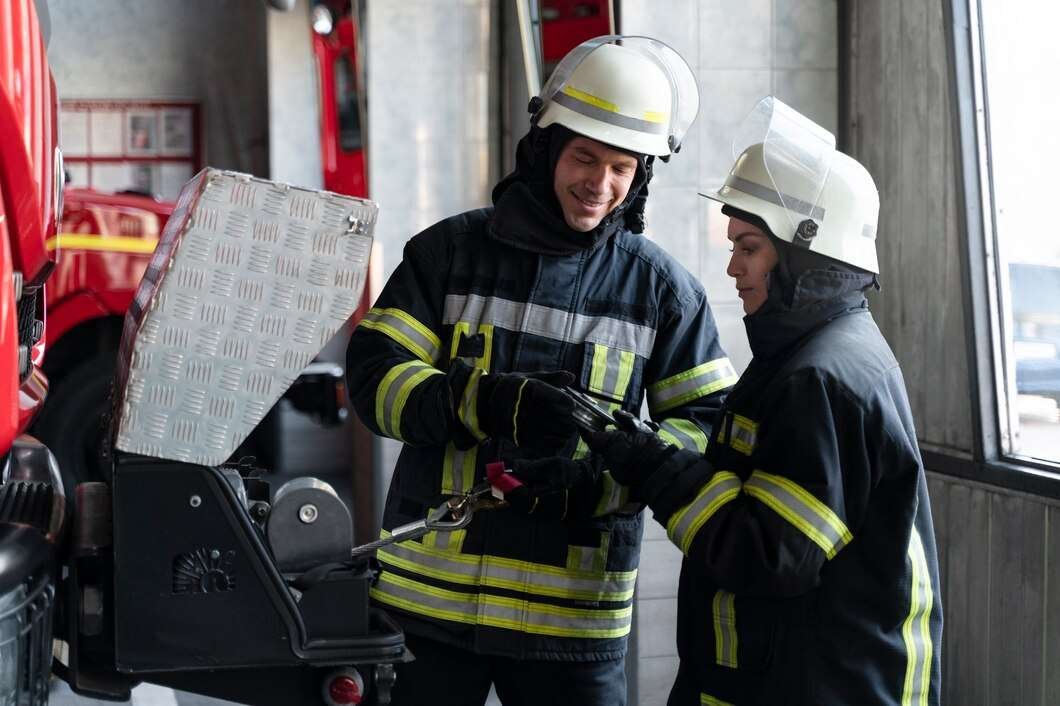


Fire Safety Engineering is a specialized branch of engineering focused on reducing fire risk in buildings. It involves fire detection, suppression, structural safety, evacuation planning, and regulatory compliance. Engaging professional fire fighting consultants and fire suppression consultant services ensures a safe, resilient, and compliant building environment.
What Is Fire Safety Engineering is a critical aspect of modern building design and management. It involves designing, implementing, and maintaining systems to prevent, control, and respond to fires in residential, commercial, and industrial buildings. Fire safety ensures human life, property protection, and operational continuity.
In today’s urban and industrial environments, fire incidents can cause severe loss. Professional fireguard solutions fire safety consultant services help building owners comply with regulations and implement effective fire protection systems consultant solutions.
Understanding What Is Fire Safety Engineering
What Is Fire Safety Engineering is a discipline that combines science, technology, and practical engineering to protect people, assets, and infrastructure from fire hazards. Fire safety engineers analyze risks, design prevention and mitigation systems, and create evacuation strategies.
Core objectives of fire safety engineering include:
- Protecting occupants and personnel
- Minimizing property damage
- Reducing downtime for businesses
- Ensuring compliance with local fire codes and standards
Expert fireguard solutions fire safety consultant teams integrate fire safety into every stage of a building’s lifecycle, from design to operation.
Key Components of Fire Safety Engineering
To understand What Is Fire Safety Engineering, it is essential to know the components of a robust fire safety strategy.
1. Fire Detection Systems
Fire detection is the first line of defense. It involves smoke detectors, heat sensors, and alarm systems that alert occupants and emergency services.
2. Fire Suppression Systems
Fire suppression consultant services install systems such as sprinklers, gaseous suppression, and foam systems to control or extinguish fires automatically.
3. Fire Protection Systems
Structural and passive fire protection includes fire-resistant walls, doors, and coatings that slow fire spread. Fire protection systems consultant services ensure these elements meet safety standards.
4. Evacuation Planning
Fire safety engineering involves designing evacuation routes, emergency exits, and signage for quick and safe building evacuation.
5. Maintenance and Compliance
Regular inspections, drills, and system maintenance by fire fighting consultants ensure reliability and compliance with regulations.
Why Fire Safety Engineering Is Crucial for Buildings
Fire incidents can escalate quickly, causing human, financial, and reputational loss. Fire safety engineering addresses these risks proactively.
Key benefits include:
- Protecting human life and reducing injuries
- Safeguarding critical infrastructure and assets
- Minimizing business interruption and downtime
- Ensuring regulatory compliance and insurance coverage
For complex or high-rise buildings, consulting a professional Engineering Consulting Company with expertise in fire safety is essential.
Types of Fire Safety Engineering Services
Modern fire safety requires a multi-disciplinary approach. Here’s what expert fireguard solutions fire safety consultant firms typically provide:
Residential Buildings
- Fire detection and alarm systems
- Emergency evacuation planning
- Fire-rated materials and structural protection
Commercial and Office Buildings
- Sprinkler and suppression systems
- Smoke control and ventilation systems
- Fire drills and safety audits
Industrial Facilities
- Hazardous material fire prevention
- Automated fire suppression solutions
- Fire risk assessments and compliance checks
Each application requires specialized knowledge, which is why engaging professional fire protection systems consultant services is critical.
Role of Fire Fighting Consultants in Building Safety
Fire fighting consultants play a crucial role in assessing fire risks, designing systems, and ensuring compliance. Their responsibilities include:
- Conducting fire risk assessments and hazard analysis
- Designing fire alarm, detection, and suppression systems
- Planning evacuation and emergency response strategies
- Coordinating with architects, engineers, and local authorities
Expert consultants ensure fire safety measures are not just compliant but effective in real-world scenarios.
Fire Suppression Consultant Services
Fire suppression consultant services focus on selecting and installing the right systems for fire control. They evaluate building occupancy, materials, and hazards to recommend solutions like:
- Sprinkler systems for water-based suppression
- Clean agent systems for sensitive equipment
- Foam or chemical suppression for industrial fires
Proper design and installation reduce the likelihood of fire escalation and protect both people and property.
Importance of Fireguard Solutions Fire Safety Consultant
A fireguard solutions fire safety consultant brings experience in integrating all fire safety elements into building design. They ensure:
- Fire safety is incorporated in architectural and structural plans
- All systems meet international standards
- Safety measures are practical for occupants
- Continuous monitoring and maintenance plans are established
This approach reduces liability and ensures long-term safety and compliance.
Benefits of Professional Fire Safety Engineering
Engaging a professional Engineering Consulting Company for fire safety provides tangible benefits:
- Early detection and control of potential fire hazards
- Reduction in property damage and financial losses
- Improved occupant confidence and safety
- Compliance with local fire codes and regulations
- Integration with other building systems for efficiency
Fire safety engineering is not just about compliance; it is a proactive risk management strategy.
Fire Safety Engineering and Regulatory Compliance
Regulatory compliance is a core aspect of What Is Fire Safety Engineering. Building codes mandate specific fire safety standards based on building type, occupancy, and height.
Compliance ensures:
- Legal adherence and certification
- Insurance approvals
- Reduced liability in case of fire
- Safety for employees, tenants, and visitors
Fire protection systems consultant teams ensure all legal and industry requirements are met, preventing costly penalties or redesigns.
Technologies in Fire Safety Engineering
Modern fire safety engineering integrates technology for higher efficiency:
- Automated fire detection and alarm systems
- Smart sprinklers and suppression controls
- Fire modeling and risk analysis software
- Integration with building management systems for monitoring
These innovations are recommended by leading fire fighting consultants to enhance safety and operational control.
Choosing the Right Fire Safety Consultant
Selecting a reliable consultant is critical for effective fire safety engineering.
Key considerations:
- Experience with similar buildings and hazards
- Credentials and certifications in fire safety engineering
- Comprehensive services including design, implementation, and maintenance
- Transparent reporting and proactive recommendations
Partnering with an established fireguard solutions fire safety consultant ensures your building meets the highest safety standards.
Industries That Benefit from Fire Safety Engineering
Fire safety is crucial across sectors, including:
- High-rise residential and commercial buildings
- Hospitals and healthcare facilities
- Industrial plants and factories
- Educational institutions
- Hospitality and entertainment venues
Each sector has unique fire risks that require specialized engineering solutions.
Frequently Asked Questions About Fire Safety Engineering
1. What Is Fire Safety Engineering in simple terms?
Fire Safety Engineering is the science and practice of designing systems and strategies to prevent, control, and respond to fires in buildings.
2. Why is fire safety important for buildings?
Fire safety protects human life, property, and business operations while ensuring compliance with legal and insurance requirements.
3. What does a fireguard solutions fire safety consultant do?
They assess fire risks, design fire protection systems, plan evacuation strategies, and ensure regulatory compliance.
4. How often should fire safety systems be inspected?
Fire safety systems should be inspected at least annually, with routine maintenance and testing to ensure reliability.
5. Can fire safety engineering reduce insurance costs?
Yes. Buildings with certified fire safety measures often qualify for lower premiums due to reduced risk exposure.
Why JD Engineers & Consultants for Fire Safety Engineering
JD Engineers & Consultants offer expert fire fighting consultants and fire suppression consultant services. Their team of experienced fire protection systems consultant professionals ensures comprehensive fire safety strategies, compliant designs, and reliable execution for all building types.
Conclusion
Protect your building, occupants, and assets by partnering with JD Engineers & Consultants for professional What Is Fire Safety Engineering solutions.
Contact us today to discuss comprehensive fire safety engineering, fire protection system design, and consulting services tailored to your building needs.