

When starting a construction, infrastructure, or industrial project, one common question people ask is: what is the role of an engineering consultant?
Many projects face delays, cost overruns, design errors, or safety issues simply because the right technical guidance was missing at the planning stage.
Understanding the Role of an Engineering Consultant
The role of an engineering consultant is to provide expert technical advice, planning support, and engineering solutions for projects. They act as problem-solvers who ensure designs are safe, efficient, cost-effective, and compliant with regulations.
An engineering consultant works closely with clients, architects, contractors, and government authorities to guide projects in the right direction.
Why the Role of an Engineering Consultant Is Important
Many projects fail due to poor planning or technical mistakes. The role of an engineering consultant is crucial because they:
- Identify risks early
- Optimize design and construction costs
- Ensure safety and compliance
- Improve long-term performance of structures
Hiring professional consulting and engineering services helps avoid costly errors before construction begins.
Core Responsibilities in the Role of an Engineering Consultant
1. Project Planning and Feasibility Analysis
One key role of an engineering consultant is to evaluate whether a project is practical and sustainable.
This includes:
- Site analysis
- Cost estimation
- Material selection
- Technical feasibility studies
These steps help clients make informed decisions before investing heavily.
2. Design Review and Technical Guidance
Engineering consultants review architectural and engineering designs to ensure they are safe and efficient.
This involves:
- Reviewing drawings and calculations
- Suggesting design improvements
- Coordinating with an architectural design company
- Ensuring compatibility between design and structure
This collaboration is vital for smooth project execution.
Role of an Engineering Consultant in Structural Engineering
A major responsibility within the role of an engineering consultant is structural safety.
Structural Engineering Consultant Services Include:
- Load and stress analysis
- Earthquake-resistant design
- Foundation and framing design
- Structural audits and inspections
A qualified structural engineering consultant ensures buildings remain safe throughout their lifespan.
Role of an Engineering Consultant in Civil and Structural Engineering
In civil engineering structural engineering, the consultant focuses on infrastructure such as:
- Roads and bridges
- Water systems
- Industrial structures
- Residential and commercial buildings
The role of an engineering consultant here is to balance strength, cost, and durability while following regulatory standards.
Role of an Engineering Consultant in Architectural Coordination
Engineering consultants work closely with architects to align creativity with safety.
Their role includes:
- Coordinating with an architectural design consultancy
- Ensuring structural support for design elements
- Resolving conflicts between aesthetics and engineering
This ensures the final design is both beautiful and structurally sound.
Role of an Engineering Consultant in Technology Integration
Modern buildings rely on smart systems. The role of an engineering consultant now includes technology integration.
Integrated Building Management System (IBMS)
Consultants help design and implement:
- Energy management systems
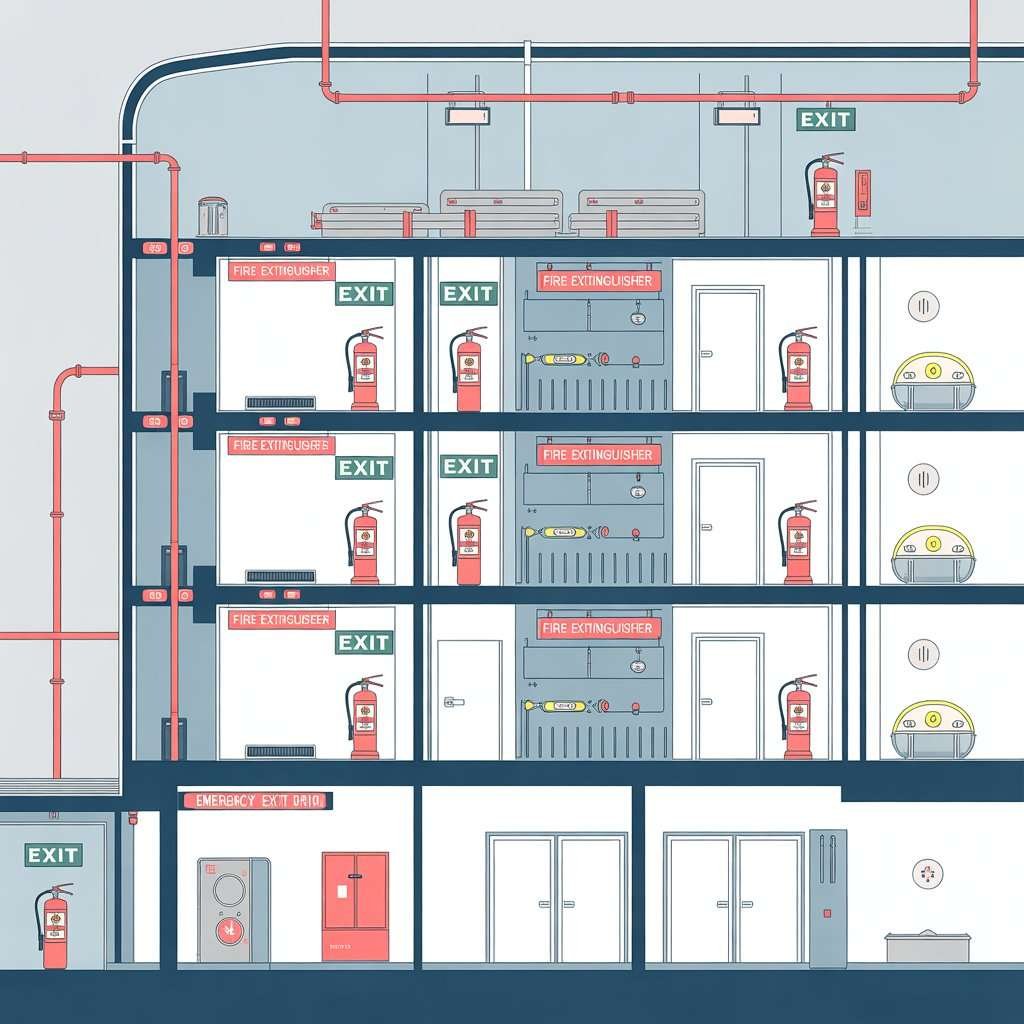
- Fire and safety systems
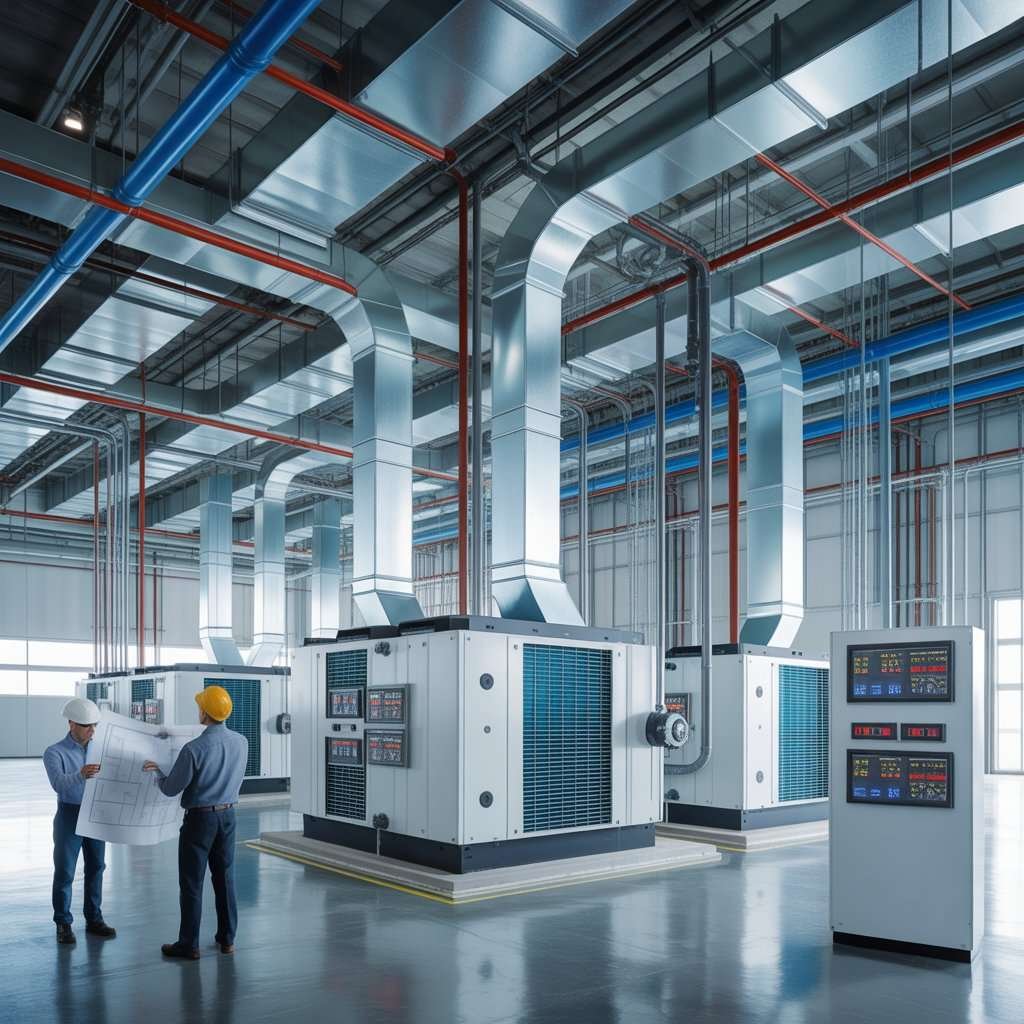
- HVAC automation
- Security and surveillance systems
An integrated building management system improves efficiency, safety, and operational control.
Role of an Engineering Consultant in Electronics and Communication Engineering
Engineering consultants also play an important role in electronics and communication engineering.
This includes:
- Network and communication planning
- Surveillance and access control systems
- Smart building connectivity
- Industrial automation support
These systems are essential for modern infrastructure and smart cities.
Role of an Engineering Consultant
Imagine a commercial complex project:
- Architects design the layout and appearance
- Engineering consultants analyze structural loads
- Civil engineering structural engineering plans the foundation
- IBMS experts integrate smart systems
The role of an engineering consultant ensures all elements work together seamlessly.
Benefits of Hiring an Engineering Consultant
Hiring professional consulting and engineering services offers many benefits:
- Reduced construction risks
- Better cost control
- Improved safety and compliance
- Efficient project coordination
- Long-term durability
These advantages highlight the true role of an engineering consultant in successful projects.
How JD Engineers & Consultants Fulfills the Role of an Engineering Consultant
JD Engineers & Consultants offers end-to-end consulting and engineering services for diverse project needs.
Our Expertise Includes:
- Structural engineering consultancy
- Civil engineering structural engineering
- Architectural coordination with leading design firms
- Integrated building management system planning
- Electronics and communication engineering solutions
We act as a single point of responsibility for technical excellence.
Why Choose JD Engineers & Consultants?
Choosing the right partner defines project success. JD Engineers & Consultants stands out because:
- Experienced multidisciplinary team
- Practical, cost-effective solutions
- Strong coordination with any architectural design company
- Proven track record across sectors
Our approach reflects the true role of an engineering consultant—guidance, reliability, and innovation.
Frequently Asked Questions (FAQs)
1. What is the main role of an engineering consultant?
The role of an engineering consultant is to provide expert technical guidance, safety assurance, and cost-effective engineering solutions throughout a project.
2. Do engineering consultants work with architects?
Yes. They collaborate with architects and architectural design consultancy teams to ensure design feasibility and safety.
3. Is a structural engineering consultant necessary for small projects?
Yes. Even small projects benefit from professional structural analysis to avoid future risks.
4. Does JD Engineers & Consultants provide integrated services?
Yes. We offer consulting and engineering services including structural, civil, IBMS, and electronics engineering.
5. How does an engineering consultant reduce project costs?
By identifying risks early, optimizing designs, and preventing costly construction errors.
Conclusion: Why the Role of an Engineering Consultant Matters
The role of an engineering consultant goes far beyond calculations and drawings. They ensure safety, efficiency, compliance, and long-term value. From civil engineering structural engineering to electronics and communication engineering, their expertise connects every part of a successful project.
With JD Engineers & Consultants, you gain a trusted partner who understands the complete role of an engineering consultant and delivers reliable, future-ready solutions.