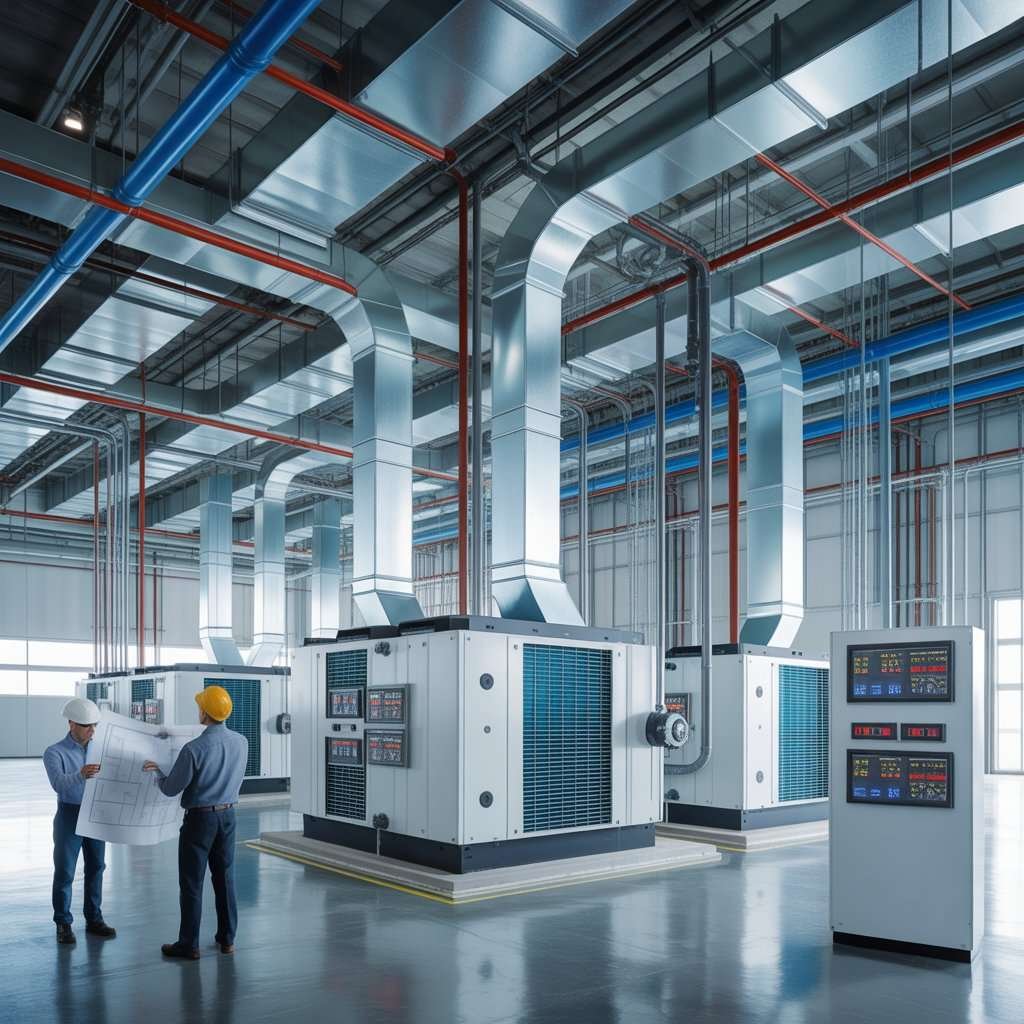
HVAC Design Is Important in Industrial and Commercial Buildings because it ensures safety, regulatory compliance, energy efficiency, and operational reliability. Proper HVAC design for industrial buildings supports process control, air quality, and worker safety. Effective HVAC design for commercial buildings improves comfort and reduces energy costs.
Professional HVAC engineering services integrate ventilation, air conditioning, and automation systems to deliver long term value. In sectors like pharmaceuticals, strategic planning aligned with Pharmaceutical plant engineering design and Pharmaceutical project management consultancy ensures compliance and product integrity.
Investing in professional Industrial HVAC system design and Commercial HVAC system planning protects assets, improves productivity, and reduces lifecycle costs.
At JD Engineers and Consultant, we understand that effective HVAC design for industrial buildings and HVAC design for commercial buildings must align with business goals, regulatory standards, and long term sustainability.
Why HVAC Design Is Important in Industrial and Commercial Buildings for Safety and Compliance
Industrial and commercial facilities operate under strict environmental and safety regulations. Poor air quality, improper ventilation, and temperature fluctuations can create compliance risks and health hazards.
For example, organizations such as the ASHRAE publish global standards for ventilation, indoor air quality, and thermal comfort. Compliance with these standards is not optional in regulated sectors.
In industries like pharmaceuticals, chemicals, and food processing, HVAC systems must control:
- Airborne contaminants
- Humidity levels
- Pressure differentials
- Temperature stability
- Cleanroom classification standards
This is especially critical in Pharmaceutical plant engineering design, where even minor environmental deviations can compromise product integrity. Authoritative guidance from World Health Organization also highlights the importance of controlled environments in pharmaceutical and healthcare facilities.
A professional HVAC design consultant ensures systems meet these standards from the planning stage. Retrofitting later is costly and risky.
HVAC Design Is Important in Industrial and Commercial Buildings for Energy Efficiency
Energy is one of the largest operational expenses in industrial facilities. According to U.S. Department of Energy, HVAC systems account for a significant percentage of total building energy consumption.
Efficient Industrial HVAC system design reduces energy waste by optimizing:
- Equipment sizing
- Duct layout and airflow balancing
- Variable speed drives
- Heat recovery systems
- Smart controls and BMS integration
Oversized systems increase capital and operating costs. Undersized systems cause performance failures.
Strategic Commercial HVAC system planning ensures accurate load calculations based on occupancy, equipment heat load, process requirements, and climatic conditions. At JD Engineers and Consultant, our HVAC engineering services focus on lifecycle cost optimization rather than short term savings.
HVAC Design Is Important in Industrial and Commercial Buildings for Process Control
In industrial environments, HVAC is part of the production system. It is not just comfort cooling.
Consider:
- Pharmaceutical manufacturing
- Edible oil refineries
- Food processing plants
- Chemical production units
These facilities demand precise Industrial ventilation system design and controlled environments.
In pharmaceutical facilities, Pharmaceutical project management consultancy must integrate HVAC planning with cleanroom zoning, material flow, and GMP compliance.
Even slight variations in humidity or temperature can impact:
- Chemical reactions
- Drying processes
- Product stability
- Shelf life
This is why HVAC design for industrial buildings must be aligned with process engineering from the earliest design stage.
HVAC Design Is Important in Industrial and Commercial Buildings for Indoor Air Quality
Indoor air quality directly affects employee health and productivity. Poor ventilation leads to:
- Respiratory issues
- Fatigue
- Reduced concentration
- Increased absenteeism
A well planned Commercial air conditioning system design ensures proper fresh air intake, filtration, and air distribution. For industrial settings, Industrial ventilation system design must address:
- Dust extraction
- Fume control
- Hazardous gas dilution
- Heat exhaust
High efficiency filters, proper air changes per hour, and zoning strategies are critical. A qualified HVAC design consultant evaluates air quality requirements based on building function rather than applying a generic solution.
HVAC Design Is Important in Industrial and Commercial Buildings for Productivity
Comfort influences performance. In commercial offices, stable indoor temperature improves focus and collaboration. In industrial environments, controlled thermal conditions:
- Reduce worker fatigue
- Prevent heat stress
- Improve safety compliance
- Enhance production accuracy
Effective HVAC design for commercial buildings ensures uniform air distribution without hot or cold spots. For manufacturing plants, Industrial HVAC system design supports workforce efficiency and machine performance simultaneously.
Integration with Building Management Systems and Smart Controls
Modern HVAC systems are intelligent. Integration with Building Management Systems allows:
- Real time monitoring
- Energy tracking
- Fault detection
- Predictive maintenance
This is where professional HVAC engineering services create measurable value. Smart zoning in Commercial HVAC system planning ensures different areas receive customized environmental control based on usage patterns. In large industrial facilities, automation improves reliability and reduces downtime.
Long Term Cost Savings Through Strategic HVAC Design
Many businesses focus only on initial installation cost. This approach leads to higher operational expenses later. Strategic HVAC design for industrial buildings considers:
- Equipment lifespan
- Maintenance accessibility
- Spare part availability
- Energy efficiency ratings
- Future expansion needs
Preventive planning reduces:
- Breakdowns
- Emergency repairs
- Production losses
A lifecycle approach ensures return on investment over decades.
Role of HVAC in Sustainable and Green Buildings
Sustainability is no longer optional. Efficient Commercial air conditioning system design reduces carbon footprint and supports green building certifications. Energy recovery ventilators, variable refrigerant flow systems, and high efficiency chillers enhance environmental performance. Sustainable Industrial HVAC system design also reduces emissions and supports ESG goals.
At JD Engineers and Consultant, we align HVAC engineering services with sustainable building practices for future ready infrastructure.
Customized HVAC Design for Different Industrial Sectors
Every sector has unique HVAC demands.
Pharmaceutical Sector
Requires Pharmaceutical plant engineering design, cleanroom compliance, and validated airflow systems.
Food Processing
Demands humidity control, odor management, and hygienic ventilation systems.
Chemical Plants
Require explosion proof ventilation and hazardous gas extraction systems.
Commercial Offices
Need energy efficient Commercial HVAC system planning with occupant comfort focus.
A professional HVAC design consultant ensures tailored engineering solutions instead of one size fits all systems.
How JD Engineers and Consultant Delivers Expert HVAC Solutions
At JD Engineers and Consultant, we combine engineering expertise with practical site experience.
Our services include:
- Detailed heat load calculations
- Ducting and piping layout design
- Cleanroom airflow modeling
- Equipment selection and specification
- Commissioning support
- Integration with Pharmaceutical project management consultancy
We bring cross sector expertise in Pharmaceutical plant engineering design, industrial facilities, and commercial complexes.
Our team ensures that HVAC Design Is Important in Industrial and Commercial Buildings is not just a statement, but a performance reality.
FAQs About HVAC Design Is Important in Industrial and Commercial Buildings
1. Why is HVAC design critical in industrial buildings?
Industrial facilities generate heat, dust, fumes, and process emissions. Proper Industrial ventilation system design ensures safety, compliance, and production stability.
2. How does HVAC design impact energy consumption?
Optimized Commercial HVAC system planning reduces energy waste through accurate load calculations, efficient equipment selection, and smart controls.
3. What role does HVAC play in pharmaceutical plants?
In Pharmaceutical plant engineering design, HVAC maintains cleanroom classification, pressure differentials, and temperature control essential for GMP compliance.
4. Can poor HVAC design affect employee productivity?
Yes. Inadequate airflow or unstable temperature reduces comfort and focus, impacting workforce performance in both industrial and commercial spaces.
5. When should HVAC planning start in a new project?
HVAC planning should begin at the conceptual stage alongside architectural and process design. Early integration ensures efficiency and cost control.
Partner with HVAC Experts for Your Next Project
If you are planning a new industrial plant, pharmaceutical facility, or commercial building, do not treat HVAC as an afterthought.
Work with a trusted HVAC design consultant who understands engineering, compliance, and long term value. JD Engineers and Consultant provides comprehensive HVAC engineering services, Industrial HVAC system design, and Commercial air conditioning system design tailored to your industry. Contact us today to discuss your project requirements and build a safer, smarter, and more efficient facility.