
Fire Fighting System Requirements for Industrial Buildings include hydrants, sprinklers, fire detection systems, water storage tanks, pump rooms, smoke management, and compartmentation. Compliance with NBC 2016, IS standards, and NFPA guidelines is essential. Proper integration with plant engineering design, HVAC design for industrial buildings, and project management consultancy ensures safe, code compliant, and insurance approved industrial facilities.
A properly designed industrial fire protection system protects people, assets, and operations. It also supports insurance approvals and regulatory compliance. At JD Engineers and Consultants, we integrate fire safety into plant engineering design, project management consultancy, and HVAC design for industrial buildings to deliver reliable and compliant facilities across India.
This guide explains key regulations, system components, design standards, and best practices for a compliant fire fighting system for factory and warehouse environments.
Why Fire Fighting System Requirements for Industrial Buildings Matter
Industrial buildings face higher fire loads compared to residential or office spaces. Flammable liquids, combustible dust, packaging materials, and electrical panels increase fire risk.
Failure to comply with industrial building fire safety requirements can result in:
- Loss of life and injury
- Major financial damage
- Legal penalties
- Operational shutdown
- Insurance claim rejection
A compliant fire protection system for warehouse or factory reduces these risks and improves long term resilience.
Key Regulations for Industrial Building Fire Safety
Every industrial project must align with statutory codes and local fire authority guidelines.
1. National Building Code Compliance
The National Building Code of India defines:
- Occupancy classification
- Fire load calculation
- Exit requirements
- Fire detection systems
- Fire suppression standards
NBC 2016 Part 4 focuses entirely on fire and life safety.
2. IS Standards for Fire Systems
Relevant Indian Standards include:
- IS 15105 for sprinkler systems
- IS 3844 for hydrant systems
- IS 2189 for fire detection systems
These standards govern the design of an industrial fire protection system.
3. International Standards for High Risk Facilities
For export oriented plants or multinational companies, compliance with Factory Mutual Global and NFPA guidelines may be required. Proper integration during plant engineering design ensures smooth fire NOC approvals.
Types of Fire Risks in Industrial Buildings
Understanding hazard classification is critical before designing a fire fighting system for factory operations.
Common Industrial Fire Hazards
- Flammable liquids and gases
- Electrical short circuits
- Combustible dust
- Storage racks and pallets
- High temperature processes
- Chemical reactions
Each hazard type demands a specific fire protection system for warehouse or plant environment.
A chemical plant has different fire fighting system requirements for industrial buildings compared to a food processing facility.
Essential Components of an Industrial Fire Protection System
An effective industrial fire protection system consists of multiple layers. These systems must work together seamlessly.
1. Fire Hydrant System
Hydrant systems are mandatory in most industrial buildings. Key elements include:
- Fire water storage tank
- Fire pump room
- Yard hydrants
- Hose reels
Hydrants are essential for large industrial plots and warehouse complexes.
2. Automatic Sprinkler System
Sprinklers automatically control fire at its early stage. They are required for:
- High rack storage warehouses
- Manufacturing plants
- Electrical rooms
- Packaging zones
Sprinkler density and spacing depend on fire load classification under Fire Fighting System Requirements for Industrial Buildings.
3. Fire Detection and Alarm System
Early detection saves lives. Fire alarm systems include:
- Smoke detectors
- Heat detectors
- Manual call points
- Hooters and sirens
- Control panels
Detection systems must integrate with building evacuation plans.
4. Specialized Suppression Systems
Certain industries require advanced systems such as:
- Foam systems for oil storage
- CO2 flooding for electrical rooms
- Clean agent systems for server rooms
These are critical for chemical and oil based industries.
Water Storage and Pump Requirements
Water supply is the backbone of any fire fighting system for factory.
Key Requirements
- Dedicated fire water tank
- Diesel driven fire pump
- Electric main pump
- Jockey pump
- Pump redundancy
Capacity depends on building area, occupancy type, and hazard class. Proper hydraulic calculation is part of professional plant engineering design.
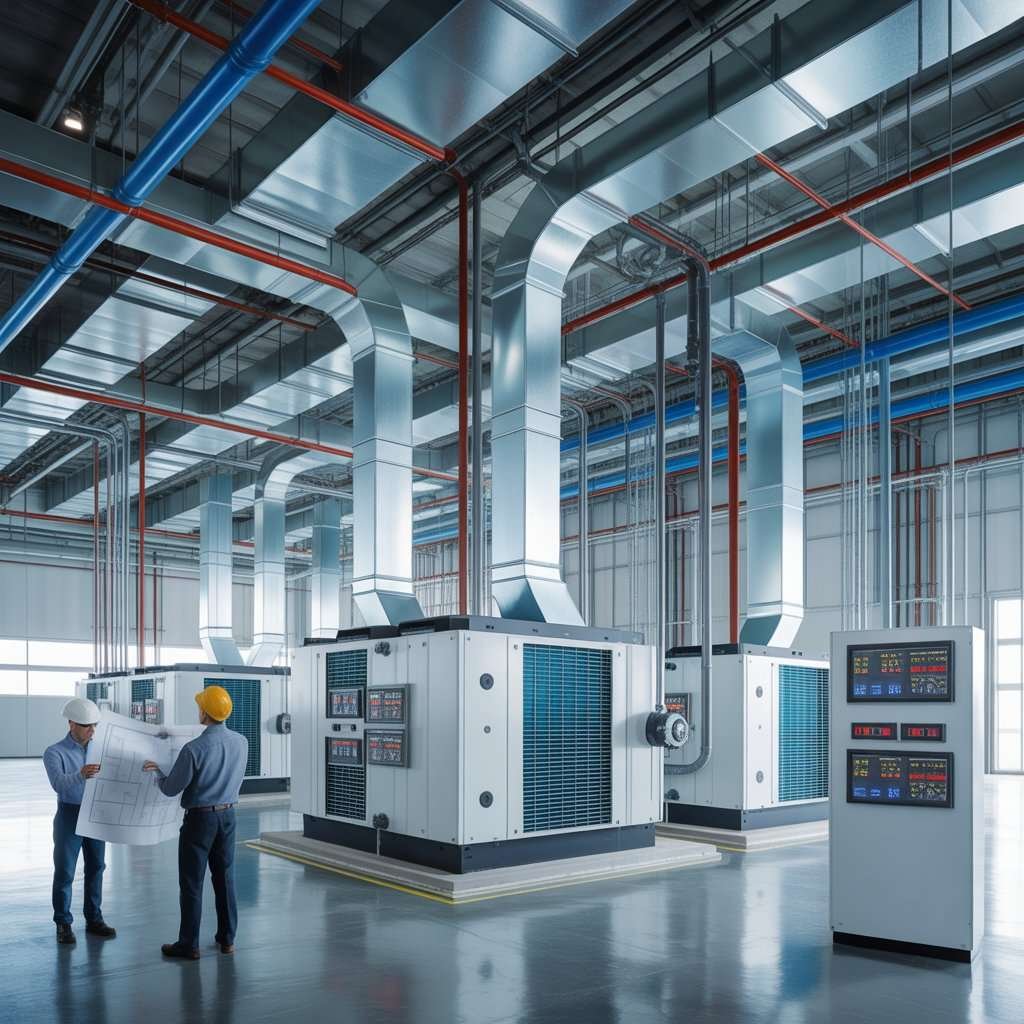
Integration with HVAC Design for Industrial Buildings
Fire safety must align with HVAC design for industrial buildings. Smoke control systems are essential for:
- Large manufacturing halls
- Warehouse spaces
- Basement utilities
An experienced HVAC design consultant ensures:
- Smoke extraction systems
- Pressurization of staircases
- Fire dampers in ducts
- Automatic shutdown during fire
Without integration, smoke can spread rapidly through duct systems.
Fire Zoning and Compartmentation
Compartmentation limits fire spread.
Key Measures
- Fire rated walls
- Fire rated doors
- Smoke barriers
- Fire stopping materials
Zoning is mandatory under industrial building fire safety requirements. Large warehouses must divide storage areas to reduce fire load concentration.
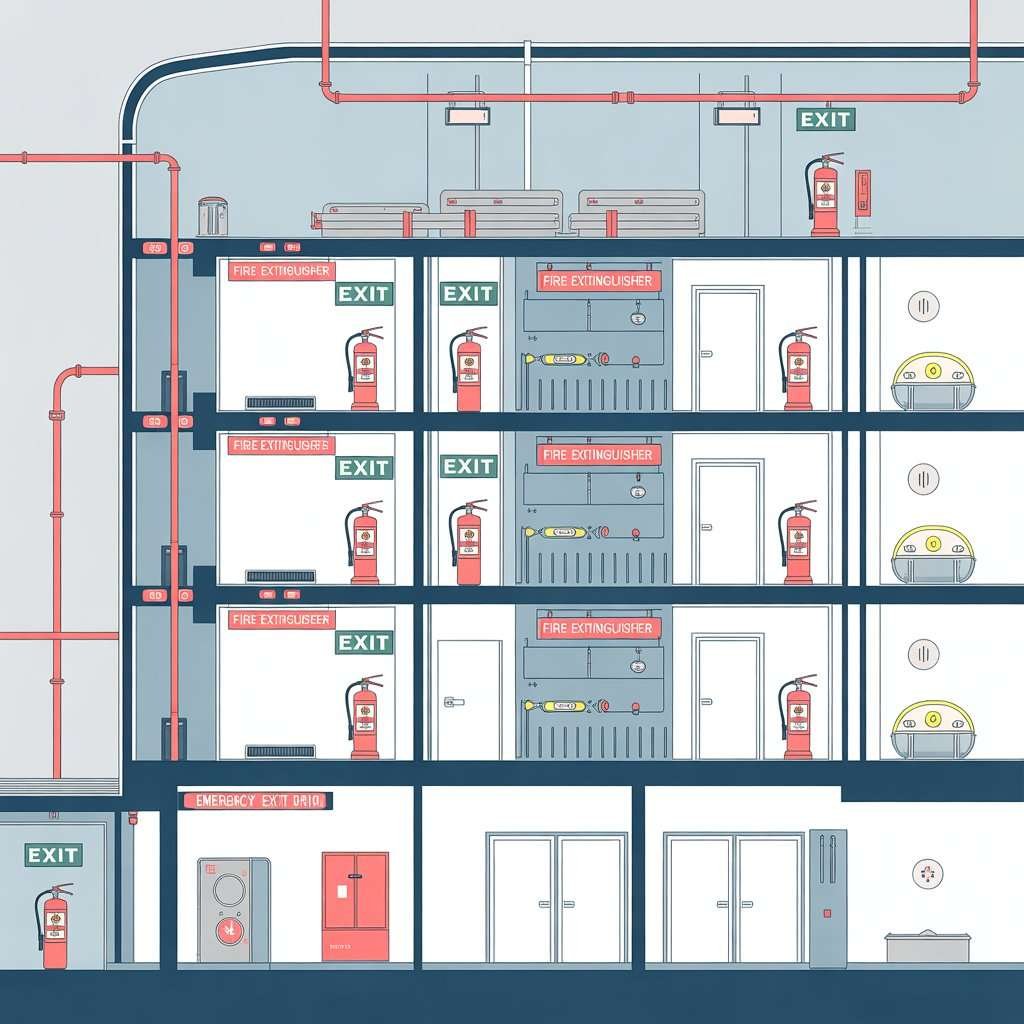
Emergency Exits and Evacuation Planning
A compliant fire protection system for warehouse also includes safe evacuation. Important factors:
- Minimum number of exits
- Travel distance limits
- Emergency lighting
- Exit signage
- Assembly points
Emergency planning must be part of project management consultancy from the design stage.
Electrical and Panel Room Protection
Electrical rooms are common fire origins. Recommended systems include:
- Clean agent suppression
- Heat detectors
- Fire resistant cable trays
- Proper earthing
Designing protection at panel level improves overall industrial fire protection system reliability.
Maintenance and Inspection Requirements
Installation alone is not enough. Regular inspection ensures compliance with Fire Fighting System Requirements for Industrial Buildings.
Maintenance Checklist
- Monthly pump testing
- Quarterly sprinkler inspection
- Alarm system testing
- Annual third party audit
The Occupational Safety and Health Administration emphasizes periodic fire system inspection for industrial safety. Neglecting maintenance increases risk and voids insurance.
Role of Plant Engineering Design in Fire Safety
Fire systems must not be an afterthought. During plant engineering design, professionals must:
- Conduct fire load analysis
- Determine hazard classification
- Plan hydrant routing
- Coordinate sprinkler piping
- Integrate detection systems
Design coordination avoids costly retrofits later.
Fire Fighting System Requirements for Industrial Buildings in Warehouses
Warehouses have unique risks due to vertical storage.
Special Considerations
- High rack sprinkler systems
- In rack sprinklers
- Early suppression fast response systems
- Large water storage capacity
A specialized fire protection system for warehouse is mandatory for logistics and e commerce facilities.
Cost Factors in Industrial Fire Protection Systems
Several variables influence cost:
- Plot size
- Built up area
- Storage height
- Hazard category
- Compliance standard
However, cost should never compromise safety. Investing in a compliant fire fighting system for factory protects long term business continuity.
Frequently Asked Questions
1. What are the minimum Fire Fighting System Requirements for Industrial Buildings in India?
Minimum requirements include a fire hydrant system, water storage tank, fire pumps, detection and alarm systems, and emergency exits as per NBC 2016.
2. Is a sprinkler system mandatory in a warehouse?
Yes, most warehouses require automatic sprinklers, especially high rack storage facilities, under industrial building fire safety requirements.
3. How much water storage is required for an industrial fire system?
Water storage depends on hazard classification and building area. Hydraulic calculations determine exact capacity.
4. How often should industrial fire systems be tested?
Pumps should be tested monthly. Full system inspection should be conducted quarterly and annually.
5. Why integrate fire systems during plant engineering design?
Early integration reduces cost, avoids redesign, ensures smooth approvals, and enhances safety performance.
Why Choose JD Engineers and Consultants
At JD Engineers and Consultants, we specialize in:
- Plant engineering design
- Project management consultancy
- HVAC design for industrial buildings
- Complete industrial fire protection system design
- Fire NOC coordination
Our multidisciplinary team ensures compliance, safety, and operational efficiency. Meeting Fire Fighting System Requirements for Industrial Buildings is not just about compliance. It is about protecting lives, assets, and long term growth. If you are planning a new factory, warehouse, or industrial facility, ensure fire safety is integrated from day one.